
Placing Cyberpunk Nowadays
It's no longer a niche what-if culture, it's prescient Sci-Fi contemporary

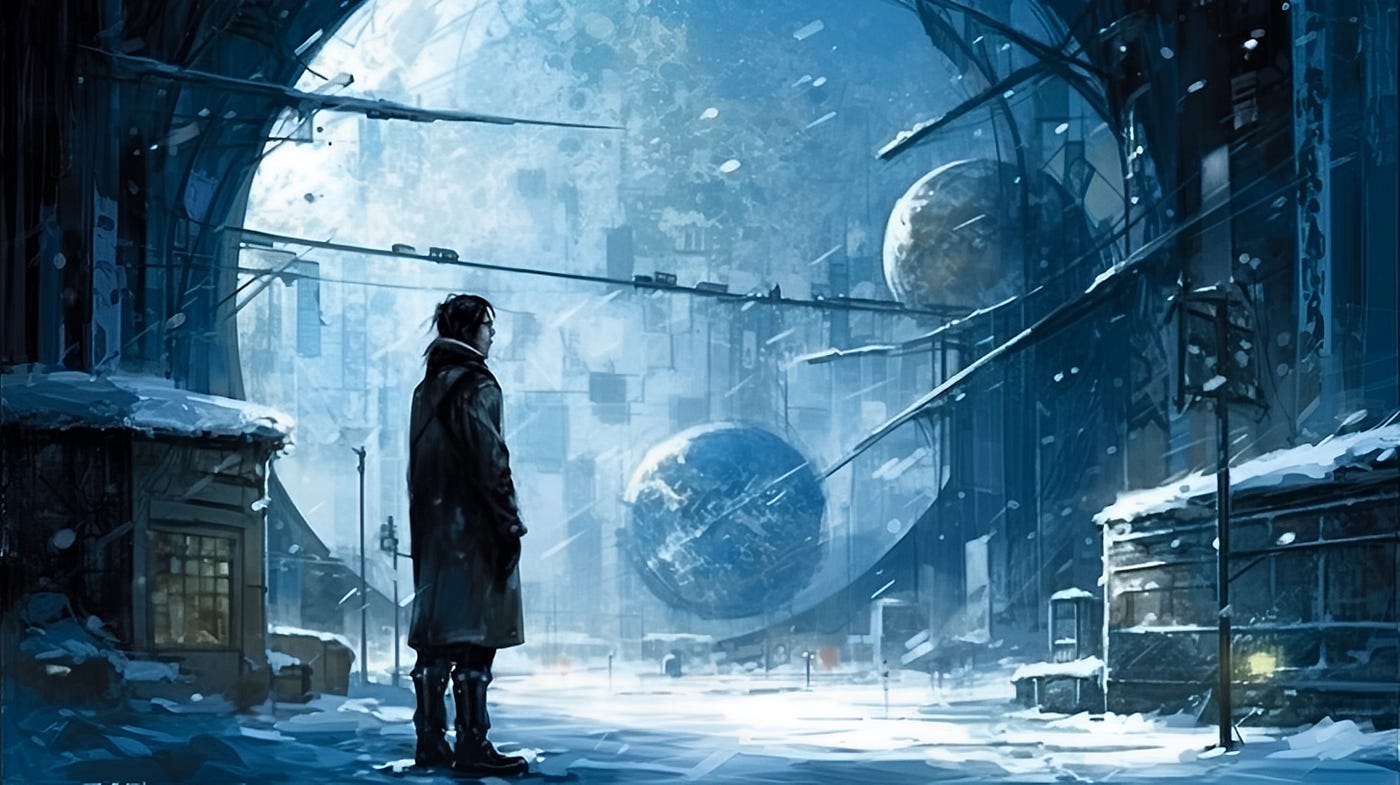
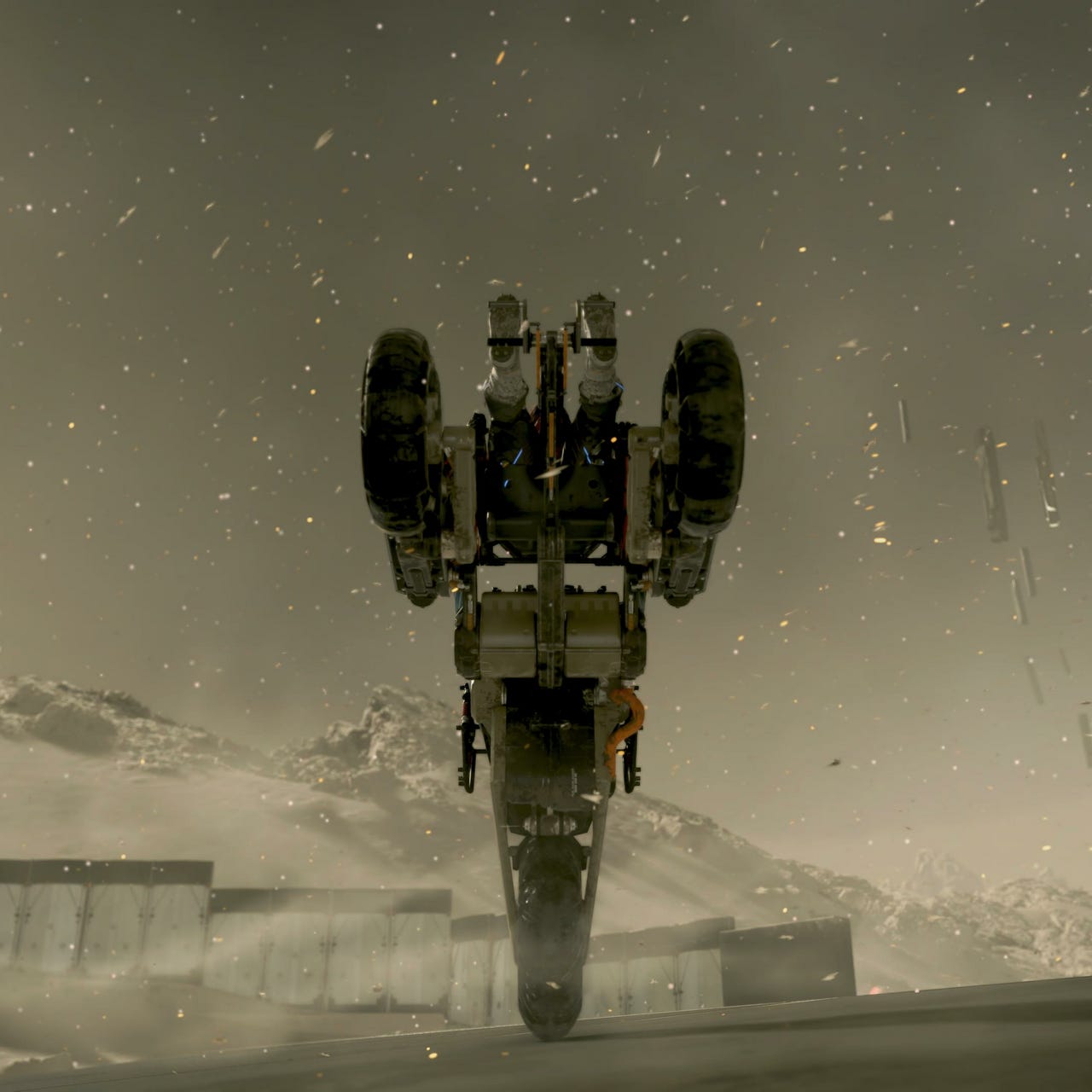
Somewhere in 1984, a phenomenon happened. Giving birth to a new genre that would not only capture, but poignantly capture, the bleaks landscape of our world if corporations left society to fend for themselves. A book called Neuromancer.
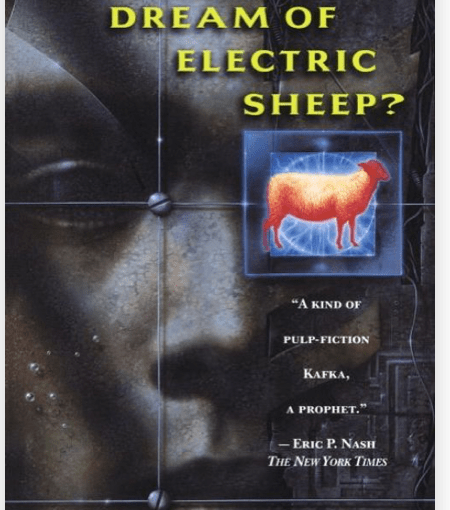
Others would say the genre sort of predates that with Philip K. Dick’s Do Androids Dream of Electric Sheep. But the proper blueprint to it was William Gibson’s lauded work, which didn’t pick up on the mainstream until the 90s. Then something else happened, a spiritual successor named Snow Crash released in 1992.
Now, I did read Neuromancer, but pretty much all the ideas seem like smorgasbord influences of proto-punk with programming, and gun culture. The stakes were high, serious life and death situations, sometimes tapping into the philosophical end of things before eventually ending things with open-minded discussions. Snow Crash I’ve heard is more meta with humor as a way to deconstruct the genre itself.
Fast-forward a couple of years, that became the era of The Matrix to whatever was in the mid 2000s and 2010s. Harkening back to the proto-stage of Cyberpunk literature, reaching its post-modern stage to sort of what we’re seeing in the modern era.
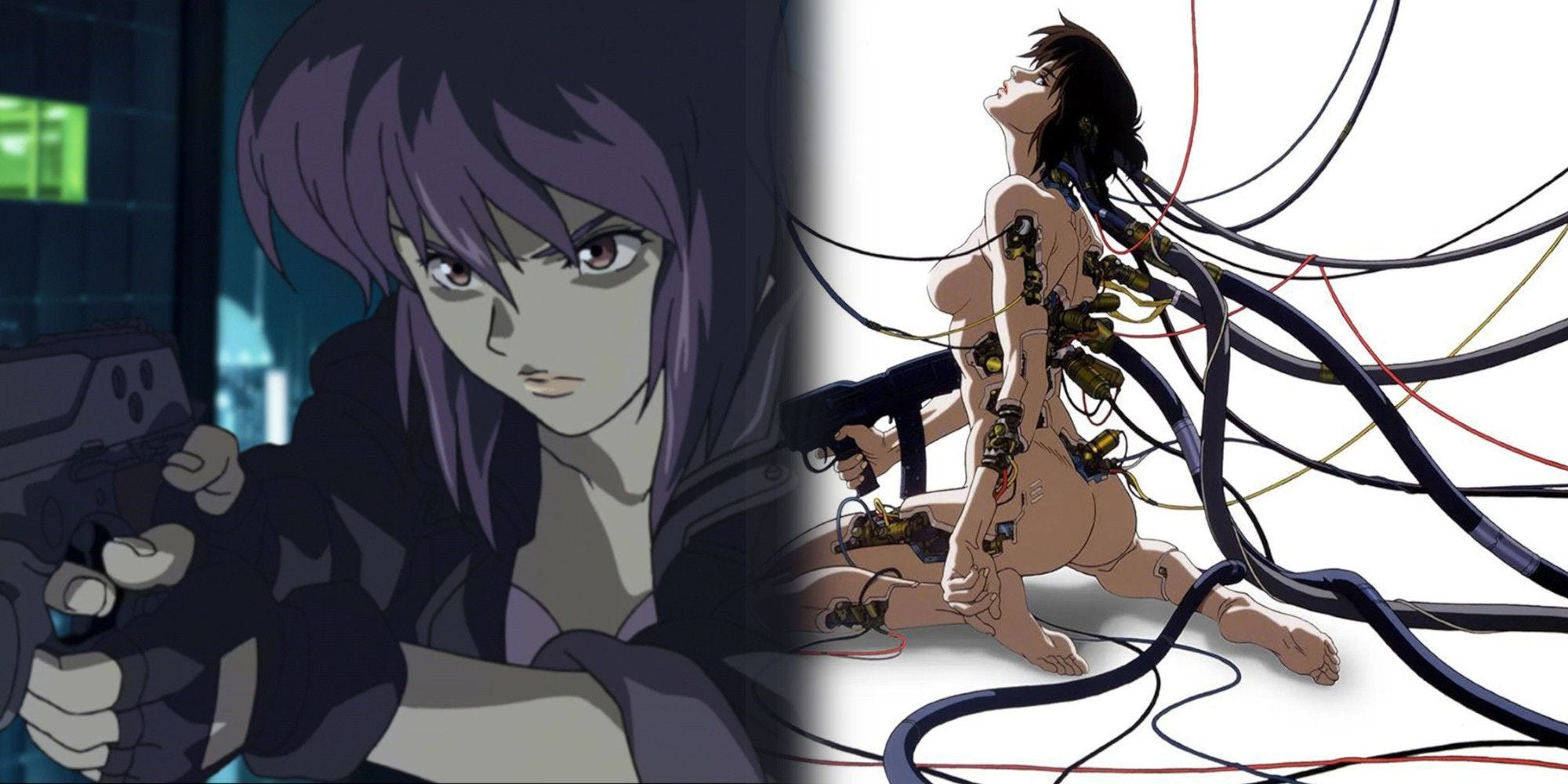
As for me, I had a real hyper fixation on anything of that sorts. Call it a fascination from when I was 14, and watching Ghost in the Shell: Stand Alone Complex from broadcast TV. Following with anything from online streaming. Armitage III, Psycho-Pass, and so on. It was like smart writers used it as a leeway to provide edgy aesthetics while doing social commentary on a number of things.
Like the social credit systems created by a collective of intellects, identity problems, how cybernetics separates flesh and soul, their holistic being through the machine, most of Japanese works did little to criticize corporate exploits and unchecked capitalism, and somewhat kind of embraces it in a way.
Western works on the other hand, and I’m talking about various works of art, that does attack establishments, like Total Recall, Bladerunner, Johnny Mnemonic, and finally being more at its ubiquitous state; video games.
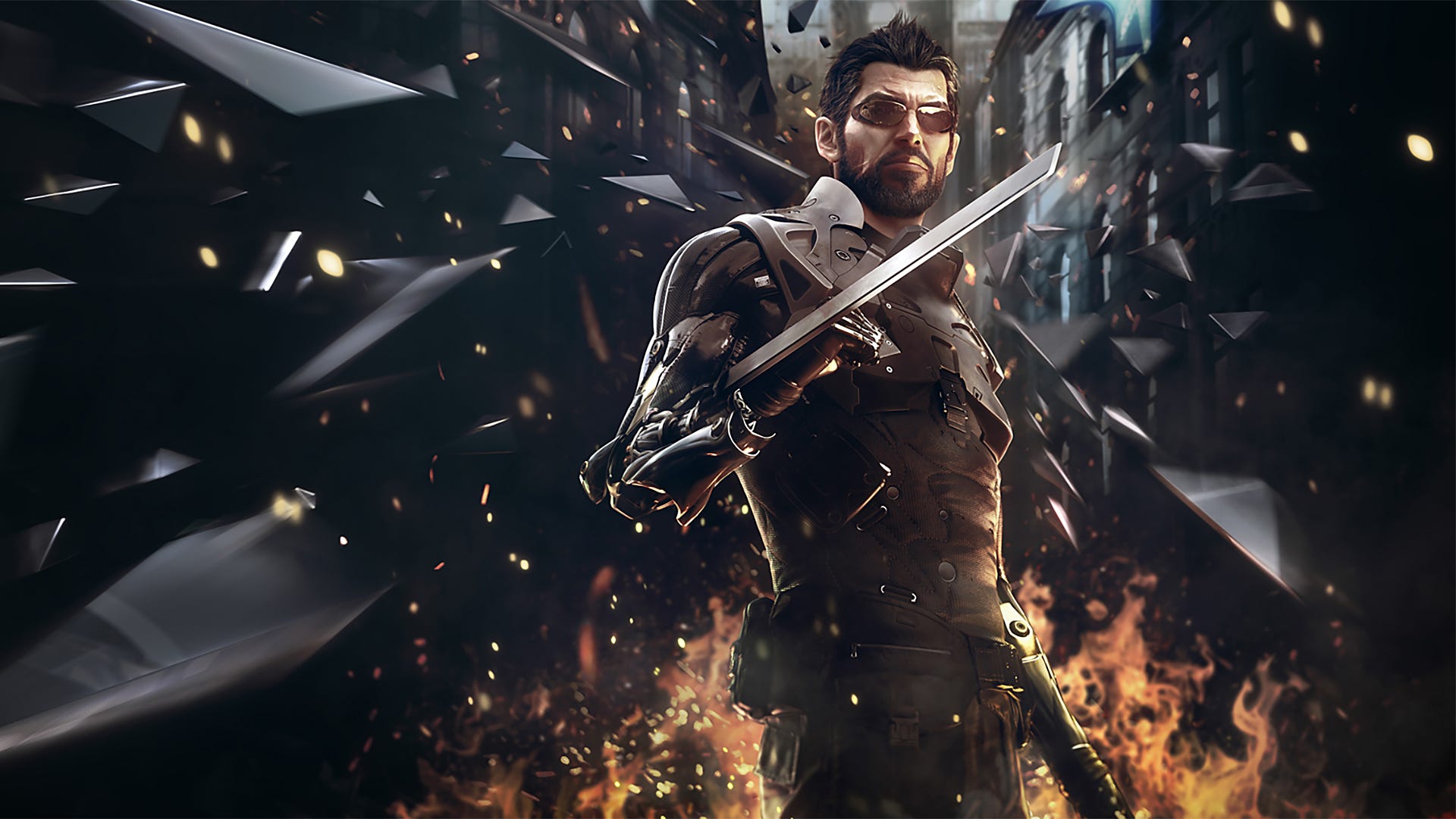
It all started with Deus Ex, a somewhat lukewarm release that became a cult-classic much later on, before seminally evolving to a more serious game that uses strong aesthetics. While pushing many subtextual elements about the bleak, dilapidated state of the world, most of the problems societal and regarding humanity as a whole.
The last two games, Human Revolution and Mankind Divided, cajoles the mainstream audience into the horrifying aspects of digital surveillance, information wars, and the advent of prosthetics, scrutinizing through the moral gray areas.
Would have been nice if a certain Japanese publisher didn’t meddle around, cut off the content plan for the last game, and left the series at development hell. Now let’s finally talk about Cyberpunk 2077. You want to talk about actual mainstream success? Let’s talk about the one that is a poster everywhere.
And it’s not the fault of the game, it does all the things its prior contemporaries have done, but somehow falls sort of short on delivering. Instead, becoming a thing to strongly fetish over. Though, that is also a by-product of the post-modern world where capitalism managed to seep every essence of humanity, and strong identity by making people work hard for popularity, high income, status quo, access, and to some degree, a form of godhood by controlling the bureaucracy governing its masses.
I guess we all need to go back to the basics at times, understand what made them standout so much. Our ability to critically access media, and rely on good narratives, are slowly fading due to constant reliance on short-form contents and dopamine feeds.
One day, I’m hoping to uncover more of this stuff once I’ve gotten over my health issues. I want to explore so many uncovered areas by the mainstream media. Cyberpunk genre is used as a canvas to make meta-commentary on so many social ills that plague us in the modern landscape. Maybe having the simpler life is where it should be, instead of being super dozed by the simulacrum.
Maybe the genre could evolve, heck, it’s so malleable for anyone, even going as far as being complacently a subgenre for other Sci-Fi works. But frankly speaking, I wish it did more. If you want me to be specific, look at the rise of defense companies like Palantir, and Anduril Industries. The template was already set.